
An AC controller is a vital tool to efficiently manage your air conditioning system. It regulates the temperature and optimizes energy usage, ensuring comfort and reducing electricity costs.
What is an AC Controller?
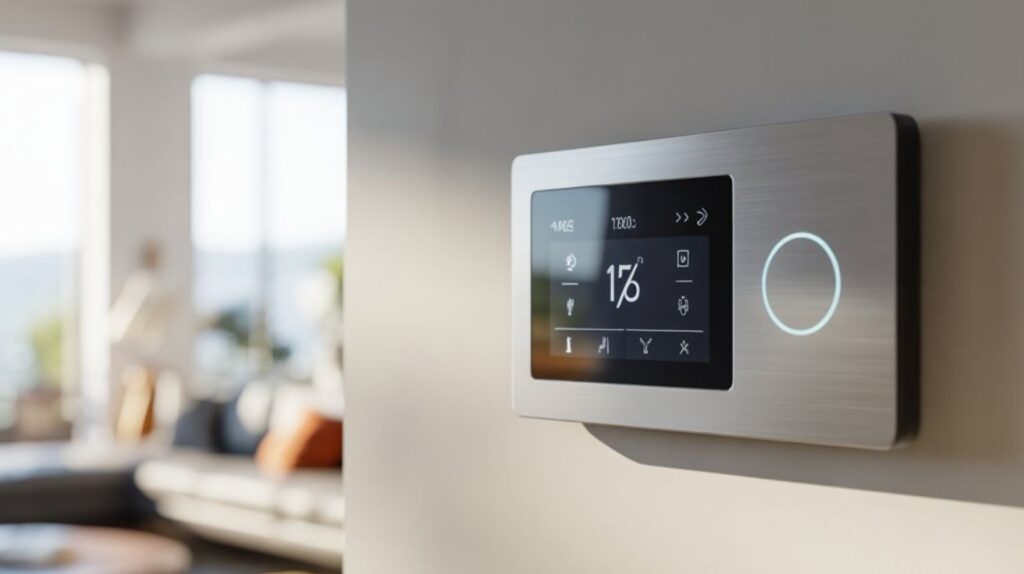
An AC controller is a device or system that manages how an air conditioner operates. At its core, an AC controller receives information from temperature sensors or user input and then adjusts the cooling functions to match a desired setting.
This can be as simple as telling the air conditioning unit to turn on when a room gets too warm or as advanced as linking your AC to a smart home system so you can control it remotely from your phone or voice assistant.
AC controllers are essential in modern HVAC systems because they help balance comfort, efficiency, and energy use. From programmable thermostats to sophisticated smart AC control systems with Wi‑Fi connectivity, controllers have evolved to meet the needs of homes and buildings alike.
How AC Controllers Work (Basic Tech Explained)
At a technical level, an AC controller uses sensor input to determine current conditions and compares that against a setpoint — your desired temperature. When the controller detects that the measured temperature is above or below the setpoint, it sends signals to the air conditioner to adjust operation.
Most modern controllers use digital microprocessors, which makes them more accurate and efficient than older analog or pneumatic systems.
These digital systems take in signals from temperature, humidity, or pressure sensors and then generate control signals that tell the HVAC equipment what to do — whether to turn the compressor on, adjust fan speed, or switch modes. Digital controllers often incorporate software logic, allowing automatic optimization and integration with other smart devices.
Types of AC Controllers
There are several common types of AC controllers:
- Basic Thermostats: Simple set‑and‑go units that switch the AC on/off based on temperature.
- Programmable Controllers: Allow customized schedules for different times of day.
- Smart Controllers: Connect to Wi‑Fi, support mobile apps, voice control, and remote scheduling.
- HVAC System Controllers: Embedded controllers within larger heating, ventilation, and air conditioning systems used in buildings.
Smart AC controllers can often communicate with other devices and adapt cooling patterns based on learned preferences or occupancy, making them ideal for modern energy‑efficient homes.
Benefits of Using an AC Controller
Using an AC controller delivers real benefits:
- Enhanced Comfort: Keeps temperature within your set range.
- Improved Energy Efficiency: Controllers reduce unnecessary run time and optimize performance.
- Cost Savings: Less wasted cooling means lower utility bills.
- Remote Access & Monitoring: Smart controllers let you adjust cooling even when you’re away.
By maintaining precise control over your air conditioning, controllers help create both comfort and savings without constant manual intervention.
How to Choose the Right AC Controller
When choosing an AC controller, consider:
- Compatibility: Ensure it works with your specific AC model or HVAC system.
- Control Features: Do you need simple temperature control or advanced scheduling and smart integration?
- Connectivity: Wi‑Fi or app support allows remote management.
- Ease of Installation: Plug‑and‑play vs. professional setup.
- Budget: Controllers range from basic affordable models to advanced smart systems.
Look for controllers that support your lifestyle and provide long‑term energy efficiency benefits.
Top Features to Look For
When evaluating AC controllers, prioritize:
- Smartphone app control
- Voice assistant integration
- Programmable temperature schedules
- Geofencing for auto adjustments
- Energy usage reports
These features make it easier to manage your cooling and ensure the system runs efficiently.
Common Issues & Troubleshooting Tips
Common problems with AC controllers include connectivity issues, incorrect readings, and compatibility mismatches. Always:
- Check sensor placement for accurate temperature measurement.
- Restart your controller or app to fix connectivity bugs.
- Verify units support your specific AC model.
If problems persist, consult a professional technician.
FixItNow AC Controller Services
If your AC controller is malfunctioning and basic troubleshooting isn’t enough, FixItNow is here to help with expert repair and maintenance for both smart and traditional HVAC controllers.
Our Services Include:
- AC Controller Diagnosis:
In-depth diagnostics to identify issues like connectivity problems, sensor malfunctions, or hardware failure. - Smart AC Controller Setup & Installation:
Professional installation and integration into your smart home system, ensuring seamless connectivity and app configuration. - AC Controller Repair:
Repair services for hardware and software issues, including sensor and capacitor replacement. - AC Controller Maintenance:
Routine maintenance and calibration to optimize energy use and ensure reliable performance. - Wi-Fi & App Connectivity Troubleshooting:
Resolving issues with Wi-Fi or app syncing to ensure your smart controller stays connected.
Why Choose FixitNow for AC Controller Solutions?
FixitNow offers professional solutions for all types of AC controller services. Whether it’s diagnosing connectivity issues, installing smart controllers, or repairing hardware and software malfunctions, our certified technicians provide quick and reliable services to enhance your HVAC system. With transparent pricing and a satisfaction guarantee, we are your go-to experts for AC controller services in Dubai and the UAE.
Call FixitNow at 056 448 3648 or send an online booking request to get immediate assistance from Dubai’s most trusted experts for AC controller services.
FAQs
Q1. What does an AC controller do?
An AC controller receives temperature and sensor inputs and tells the air conditioning system when to start, stop, or adjust cooling to reach the desired comfort level.
Q2. Can a smart AC controller work with any air conditioner?
Most universal smart AC controllers connect via infrared or Wi‑Fi but always check compatibility with your AC’s brand and model.
Q3. What’s the difference between a thermostat and an AC controller?
A thermostat is a simple controller for temperature setpoints, while an AC controller can include advanced scheduling, smart features, and energy use monitoring.
Q4. Do AC controllers save energy?
Yes — by optimizing cycling and run‑times, a good controller can reduce wasted energy and lower utility bills.
Q5. How hard is installation?
Basic models are plug‑and‑play; advanced or wired HVAC controllers may require professional installation.
Q6. Are Wi‑Fi AC controllers secure?
Choose certified devices with strong encryption and secure apps to protect your network.